
Buyer & Seller Resource
Residential Property Types
Understanding the different types of residential properties can help buyers and sellers identify the home that best suits their needs. Property descriptions and classifications can vary depending on the property, zoning, title, condominium structure, and applicable municipal and provincial requirements.
 01
01
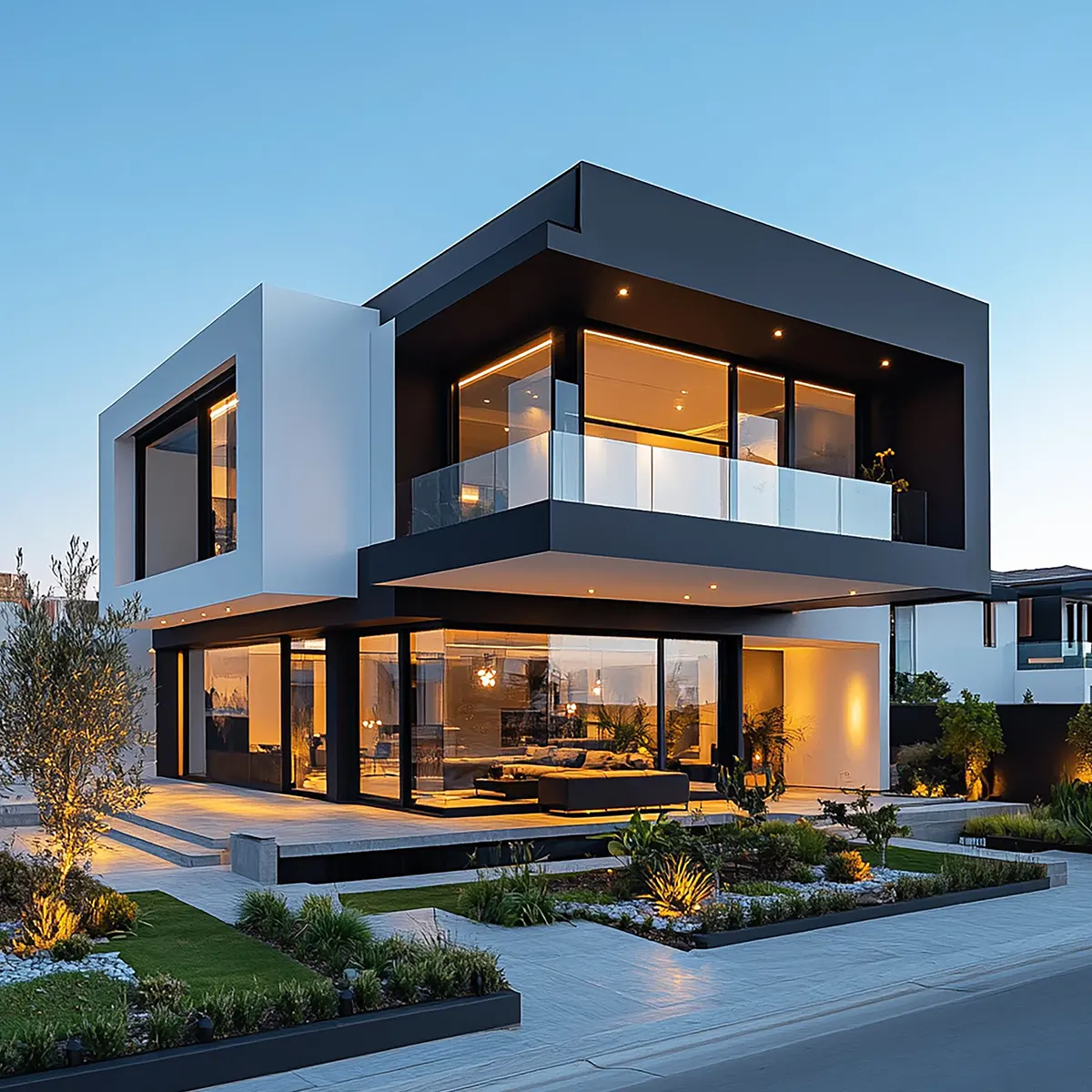
Single Detached Home
A standalone residential home that does not share a wall with another dwelling. The home and the underlying land are generally part of the same property, subject to the applicable title, zoning, and ownership structure.
02
Semi-Detached Home
One of two residential homes joined by a common wall. Each dwelling is designed as a separate residential home. Ownership, title, and condominium arrangements may vary.
03
Row House / Townhouse
One dwelling within a group or row of attached residential homes. Townhouses may be condominium properties or may have other ownership arrangements, depending on the development and title structure.
04
Duplex
A residential property containing two dwelling units within the same building or development. The legal ownership and title arrangement can vary, so the term should be used according to the property's actual legal and listing classification.
05
Triplex
A residential property containing three dwelling units. The ownership and title structure may vary depending on the property.
06
Fourplex
A residential property containing four dwelling units. The applicable zoning, building requirements, title structure, and ownership arrangement should be confirmed for each property.
07
Apartment / Apartment Unit
A residential dwelling located within a multi-unit residential building. An apartment unit may be individually owned as a condominium or may be part of a rental property, depending on the ownership structure.
08
Condominium (Condo)
A form of ownership rather than simply a physical style of home. A condominium may include an apartment-style unit, townhouse, or other residential dwelling, subject to the condominium's governing documents, fees, rules, and applicable legislation.
09
Bungalow
A residential home generally designed with the principal living space on one main level. The term describes the style or layout of a home rather than a separate legal ownership category.
10
Villa
"Villa" is commonly used as a marketing or development term for certain residential homes, often in planned communities. Its exact meaning and legal classification can vary by property and development.
11
Studio
A compact residential dwelling in which the principal living, sleeping, and/or kitchen areas are generally combined into an open-plan space, with a separate bathroom.
12
Penthouse
A residential unit generally located on the uppermost floor or a premium level of a multi-unit building. "Penthouse" is primarily a descriptive or marketing term and does not, by itself, establish a particular legal ownership classification.
13
Secondary Suite
A separate, self-contained dwelling within a principal residential property. In Edmonton, a Secondary Suite has its own living, kitchen, bedroom, and bathroom facilities and a separate entrance from the principal dwelling. Permits and applicable requirements apply.
14
Backyard Housing
A self-contained dwelling located in the rear yard of a residential property. Edmonton currently uses this term and notes it may take different forms, including single-detached, semi-detached, and multi-unit housing. Development and building permits are required.
15
Additional / Accessory Dwelling
A smaller or additional residential dwelling associated with a principal property. The permitted form, terminology, zoning, and requirements depend on the municipality and the specific property.
Important Note
Property terminology can differ between everyday language, municipal zoning classifications, land titles, condominium documents, and real estate listing systems. A property's actual legal classification should always be confirmed through the applicable title, condominium documents, zoning, permits, listing information, and other relevant records.
Descriptions such as "villa," "penthouse," "granny flat," and "guest house" may be descriptive or commonly used terms rather than specific legal classifications. They should not be interpreted as establishing a property's legal status, permitted use, or zoning.
Information is provided for general educational purposes only and should not be relied upon as legal, zoning, tax, building-code, or condominium advice. Requirements may change. Buyers and sellers should obtain appropriate professional advice and verify the applicable municipal, provincial, condominium, title, and other requirements for a specific property.